





18+ Please Gamble Responsibly GambleAware
At cash out betting sites we take our responsibilities as a gambling related site very seriously. So if gambling stops feeling enjoyable or starts to affect your finances, time, or wellbeing, help is available.
What Is Responsible Gambling?
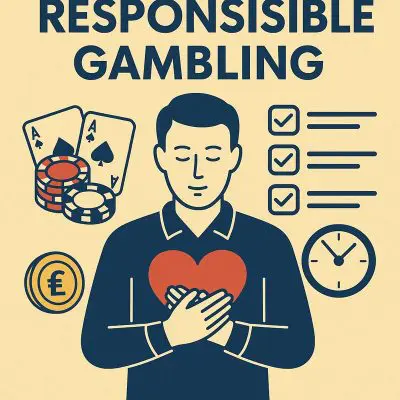 Responsible gambling means staying in control of how much time and money you spend. Gambling should never cause financial stress, emotional harm, or problems at home.
Losses can build quickly when spending goes unchecked. Control tools exist to help players set limits before issues develop.
- Gambling for entertainment, not income
- Spending only money you can afford to lose
- Knowing when to stop
How to Gamble Responsibly Online
Obviously as an online gambling site, we predominantly focus on betting online, but the advice below can also be applied to High St bookmakers and land based casinos.
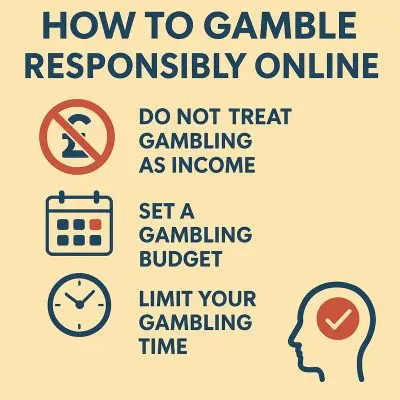
Do Not Treat Gambling as Income
Gambling sites are a business and as such they operate to make profit. They do not exist to provide long-term winnings for players.
Short winning streaks can definitely happen, but try not to get carried away, as losses always outweigh wins over time. Gambling should feel like paying for affordable entertainment, similar to a cinema ticket or sporting event.
We definitely don’t recommend gambling to recover money or solve financial issues, as the risk of financial and psychological harm increases.
Set a Gambling Budget
This pretty much applies to all aspects of life, but setting a budget helps you to keeps your finances in check, and prevents overspending.
Before you gamble:
- Make sure household bills and essential costs are accounted for
- Allocate a percentage of the money remains available for gambling
- Treat this amount as spent money and don’t go beyond it
The UKGC have made it mandatory for UK gambling sites to allow you to set deposit limits, loss limits, and session limits. These systems are there to help maintain reasonable levels of gambling.
as part of these measures you can instantly reducing limits, but increasing limits comes with a 24-hour delay. This might seem a small amount of time, but this slight pause helps prevent impulsive decisions after losses.
Chasing losses often leads to larger financial problems and you should avoid increasing stakes to try to recover money.
Large or sudden increases in spending can also trigger source of funds checks, required under UKGC rules. While these checks take place you may have a restriction or suspension placed on your accounts.
Limit Your Gambling Time
Time limits matter most for casino games, slots, and bingo. But with global sporting events, betting is almost available 24/7.
Long sessions can reduce your focus and lead to poor decision-making, gambling late at night can also increases this risk.
Helpful steps include:
- Setting session reminders on gambling sites
- Using phone or device alarms
- Taking breaks every 20–60 minutes
Two hours should be the maximum for any single session, provided you can afford to cover that amount of playing time.
Track Your Gambling Activity
Tracking the amount of time and how you spend your time gambling can reveal patterns many players are unaware of.
We recommend you make a record of:
- Login and logout times
- Deposits made
- Bets placed or slot spend
- Withdrawals
Comparing total spend against withdrawals often surprises players. This method shows real losses, not just deposits. Regular tracking can act as an early warning system for problem gambling.
Take a Break From Gambling
 If gambling starts to feel uncomfortable or excessive, taking a break can often help.
UK-licensed operators offer self-exclusion, which blocks access to your account for a fixed period.
Available options usually include:
- Short break: 1 day to 90 days
- Long break: 6 months
- Permanent exclusion
Self-exclusion applies immediately and removal requires contacting customer support, but it’s worth noting approval is not guaranteed.
Many operators share exclusion data, so blocking access to one account may prevent access to others. This is actually a great thing as it removes the temptation to use or sign up to an alternative account.
There are also other actions you can take to reduce temptation:
- Disable email and app notifications
- Cancel gambling-related direct debits
Only Gamble in the Right Frame of Mind
Gambling can often invoke an emotional response, these emotions can have affects on your judgement, leading to decisions you wouldn’t ordinarily make.
Avoid gambling when:
- Stressed or upset
- Angry after losing
- Tired or distracted
Alcohol and drugs also reduce control and increase the chance of risky betting. Gambling under the influence is never a good idea and often leads to higher losses. So make sure you only gamble when calm, focused, and emotionally stable.
Responsible Gambling Support in the UK
If gambling feels difficult to control or you can see problematic patterns emerging, independent support services can help. These organisations operate independently from gambling companies.
GAMSTOP
GAMSTOP is a free UK self-exclusion scheme. It blocks access to registered gambling websites and apps in Great Britain.
- Covers most UK-licensed operators
- Exclusion takes up to 12 hours to activate
- Choice of 6 months, 1 year, or 5 years
Gamban
Gamban is gambling-blocking software for phones, tablets, and computers.
- Blocks gambling websites and apps
- Applies across all devices
- Cannot be removed during the subscription period
GambleAware – When the Fun Stops
GambleAware provides free, confidential support for anyone affected by gambling.
- Advice for players
- Help for friends and family
- Signposting to counselling services
The “When the fun stops, stop” message encourages players to step back before gambling causes harm.
Final Word on Responsible Gambling
Responsible gambling protects your money, time, and wellbeing. the control tools we’ve mentioned exist to help players stay safe, but support is always available if you feel that control slipping.
If gambling no longer feels enjoyable or starts causing problems, seek help early. Acting sooner prevents issues from escalating. The help you may need is free, confidential, and always available.